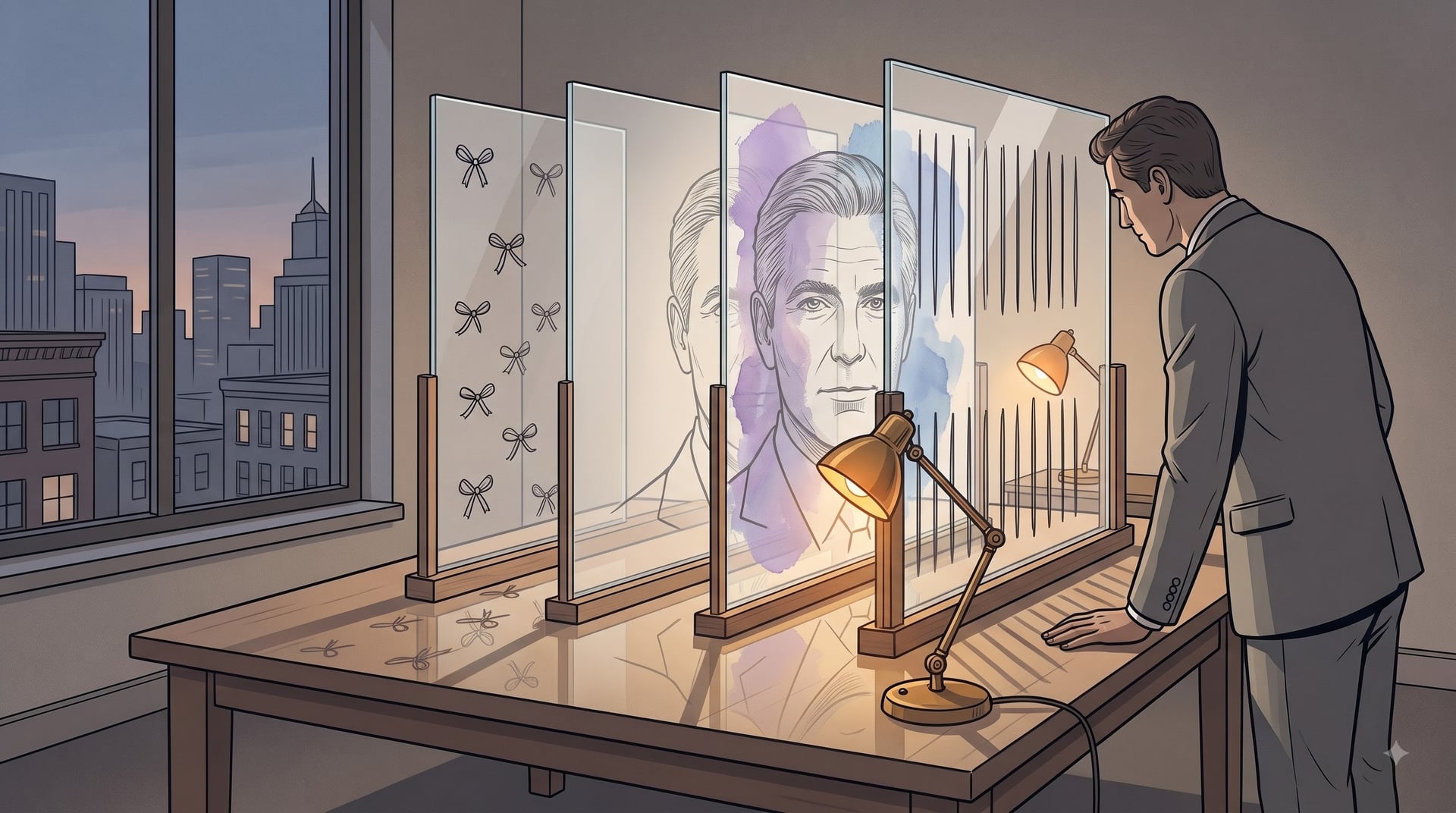
In the beginning, the founder is the CRM. She knows every client, every deal, every grudge, every promise. It works beautifully, and it stops working at almost exactly the moment the team reaches five people, when the relationships outgrow one head and start living partly in inboxes she no longer reads. So the company buys a CRM, and everyone agrees, sincerely, to keep it updated.
You know the next chapter because you have lived it. Week one, every call is logged. Month three, updates happen on Friday afternoons, from memory. Month six, the pipeline stages are current because leadership looks at those, and everything else, the conversations, the context, the texture, has quietly stopped arriving. Nobody decided to abandon it. It decayed, the way all systems decay when they tax the busy to feed the database.
Why does CRM data go stale?
Because manual logging has a broken incentive at its core: the person doing the work and the person benefiting from it are different people, separated by time. The account manager typing notes at 6pm is donating labor to a future colleague, a future manager, or a future version of themselves, and the donation loses every prioritization battle against actual client work. This is not a discipline problem to be fixed with dashboards and nagging. It is a design problem. Any system that depends on humans transcribing what already happened in another system will starve.
And the starvation is quiet, which makes it dangerous. A CRM does not display its own staleness. The empty activity log on an account looks the same whether the relationship is dormant or thriving-but-unlogged, so the team slowly learns the deeper lesson: do not trust the record, ask a human. At which point the company is back to founder-as-CRM, except now it also pays per seat for the ritual.
The part everyone misses: the data already exists
Here is the absurdity of the Friday logging ritual. The call happened, and its follow-up is in email. The commitment was made in a sentence someone typed and sent. The client's mood, their questions, their silence: all of it is sitting in the team's mailboxes, timestamped, in the participants' own words. Manual CRM entry is the act of summarizing a record that already exists into a worse record that nobody maintains. The question was never how to make people better scribes. It was why we are scribing at all.
What a self-writing record looks like
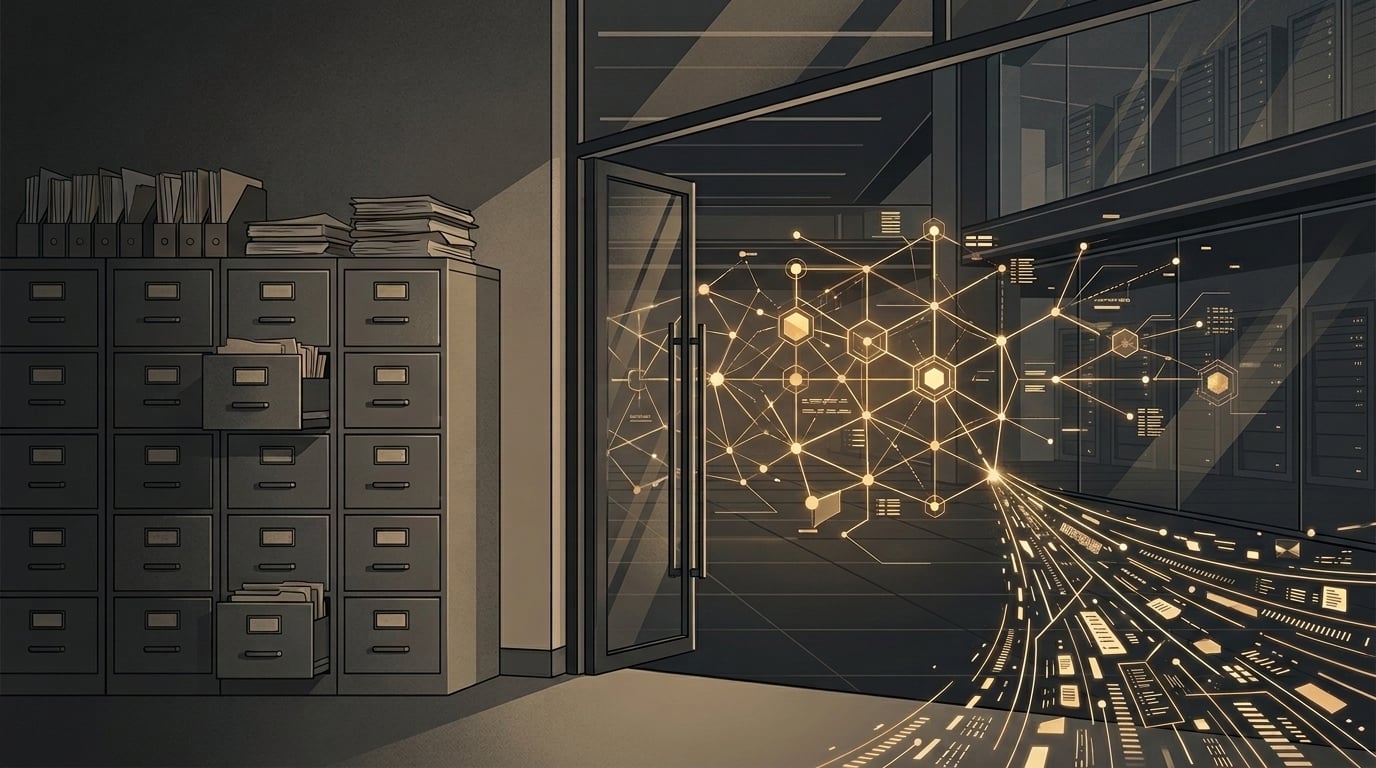
Sektra's answer is to derive the record from the source. It syncs with the team's Gmail, reads the history that already exists, and keeps the client record current as mail flows: who the relationship is with, what has been promised in each direction, which questions are open, and whether the cadence and tone say the relationship is warming up or cooling down. Nobody logs anything. The record is a byproduct of the work instead of a second job after it, which is the only incentive structure that survives a busy quarter. Because it reads backward through history, it is also complete from the first hour, including for relationships that predate the tool.
There is a trust dividend that compounds here. The moment a team learns the record is always current, they start actually using it: checking the account before the call, trusting the digest, asking the Copilot where things stand instead of interrupting a colleague. Usage makes the record more valuable, which drives more usage. Manual CRMs run this exact loop in reverse.
Keep the pipeline, replace the diary
None of this means CRMs have no use. Pipeline management, forecasting, deal stages, and revenue reporting are structured jobs a CRM is built for. Keep it for those. What deserves replacing is the CRM as relationship diary, the activity log that was supposed to hold the story of every client and instead holds the guilt of every unlogged week. Let the pipeline live in fields. The relationship already lives in email. The record should be built where the truth is.